

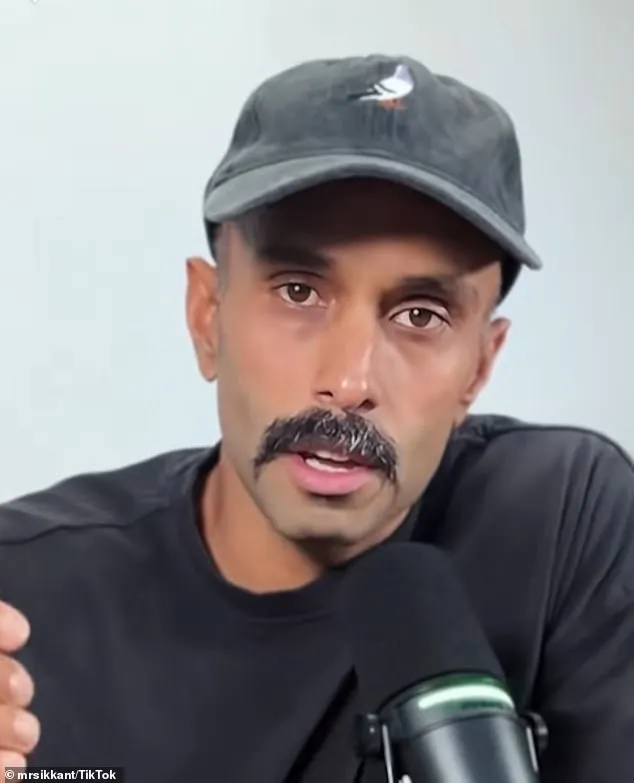
Western Australian comedian Jasky Singh has raised concerns about how a ban issued by one venue can seemingly affect access to multiple licensed premises after he was reportedly blocked from entering venues using the ScanTek ID scanning system.
Singh, a father and social media personality known for his street-interview videos, said he only discovered he had been placed on a 12-month ban after being denied entry to another venue months after an incident at The Gold Bar in Kalgoorlie.
According to Singh, he was filming content near the venue in November and attempted to enter the pub at the end of the shoot as part of the video. However, security staff refused him entry after scanning his identification.
He claims he was not given a clear explanation at the time.
Several months later, while attending a friend’s event at a different venue, Singh said he learned that the ban was linked to venues using ScanTek scanners and would remain in place until November 2026.
“I showed my ID and the woman at the door looked surprised that I was even trying to get in,” Singh told the Daily Mail.
The comedian said he was shocked by the restriction, particularly because he rarely attends nightlife venues and maintains he never entered The Gold Bar on the day of the incident.
“I’m frustrated that one person can make a decision that results in a statewide ban for 12 months,” he said. “I hadn’t even gone into the venue.”
Seeking answers, Singh contacted the security company contracted by the Kalgoorlie venue. He said he was told he had allegedly harassed security staff and faced other accusations, but claims no specific details were provided when he requested clarification.
“I was trying to understand the reasoning, and they just hung up the phone,” he said.
The Gold Bar and the security company reportedly declined to comment on the matter.
Singh later shared his experience online, where a video discussing the ban has attracted more than 1.4 million views. The post sparked widespread debate about private venue bans, ID-scanning technology and the rights of patrons to receive explanations or appeal decisions.
While some social media users reported experiencing similar issues with ScanTek-linked bans, others argued that more information from the venue involved was needed before drawing conclusions.
Singh said he accepts that venues have the right to refuse entry and take action against inappropriate behaviour, but believes individuals should be informed of the allegations against them and given an opportunity to respond.
“If I’ve done something wrong, tell me what it is and I’ll accept the consequences,” he said. “But one person’s opinion shouldn’t have that level of power without accountability.”
ScanTek states that it provides the technology used by venues to manage patron bans but does not issue, investigate, modify or remove bans itself. The company says a patron’s banned status may be visible to other venues using its system, although this does not automatically mean the person is barred from every venue.
Patrons seeking information about a ban can submit a request through ScanTek, but any challenge or removal request must be directed to the venue that imposed the ban.
The incident has renewed discussion about transparency, accountability and appeal rights in Australia’s nightlife industry, particularly as digital ID systems become increasingly common across licensed venues.
Although Singh said the ban may not significantly impact his personal life, he believes it could affect his work as a content creator.
The case is now drawing attention to broader questions about how private venue bans are issued, shared and reviewed when a decision made by one business can influence access to multiple venues across a region.